
The woman neighbors described as someone who was always “looking out for others” was killed just blocks from her home, in a moment that has since fractured an entire community.
Renee Nicole Good was shot and killed during a confrontation with federal officers on January 7, 2026, in Minneapolis. She was 37 years old. What unfolded that snowy morning has sparked nationwide outrage, conflicting official narratives, and profound grief among those who knew her—not as a headline, but as a mother, a writer, and a trusted neighbor.
For her family and community, this is not a political abstraction. It is a loss that feels both sudden and impossible to accept.
Good lived only a few blocks from where she died, in a neighborhood where she was known and welcomed. According to her mother, Donna Ganger, she shared a home with her partner and was deeply rooted in family life. She was raising several children: a teenage daughter and son from her first marriage, and a six-year-old son she had with her late second husband, Timmy Ray Macklin Jr.
In the days following her death, stories about who Good was began circulating rapidly. A consistent picture emerged—one of a warm, principled woman whose life revolved around creativity, faith, and care for others.

She studied creative writing at Old Dominion University, where she won an undergraduate poetry prize in 2020 for a piece that reflected both sensitivity and intellectual depth. She co-hosted a small podcast with her late husband, made art at home, loved music, and sang in choir during her school years. Writing was not just a skill for her; it was a way of engaging with the world.
Her social media presence was quiet and personal. Her Instagram bio described her simply: a poet, a writer, a wife, a mom, a guitar strummer experiencing life in Minneapolis. Friends say that description captured her well.
One fact has stood out sharply amid the public debate: Good was a U.S. citizen, born in Colorado, with no criminal record beyond a minor traffic violation. Her former husband emphasized that she was not an activist or agitator. She did not attend protests or seek confrontation. She was a devoted Christian who had once taken part in youth missionary trips overseas and spent recent years focused primarily on raising her children.
That Wednesday morning began like any other. After dropping her six-year-old son off at school, Good was driving home with her partner when they encountered a group of officers from U.S. Immigration and Customs Enforcement operating in the neighborhood.
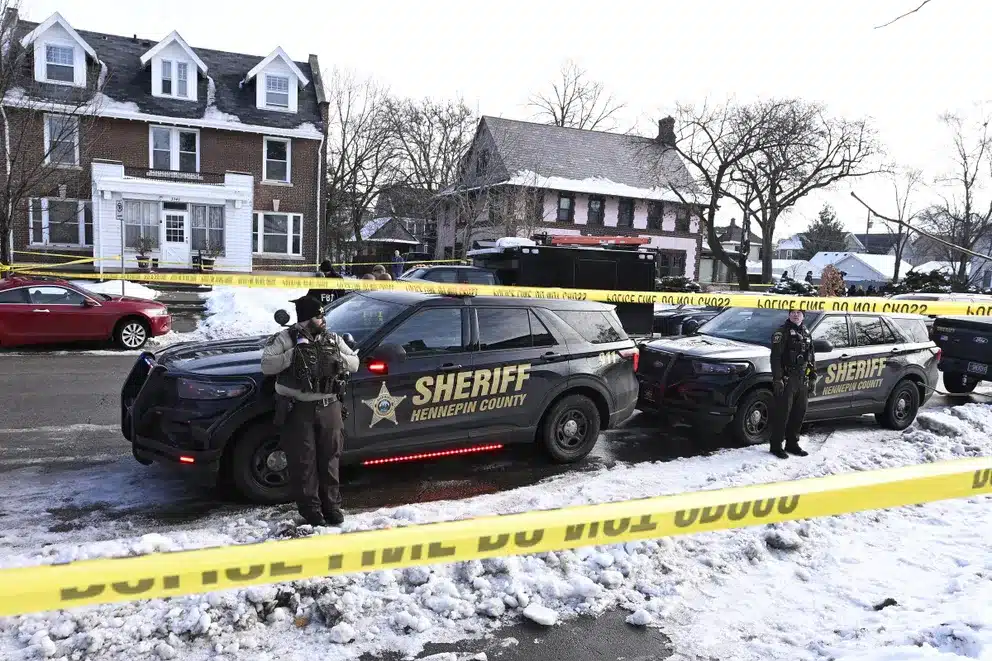
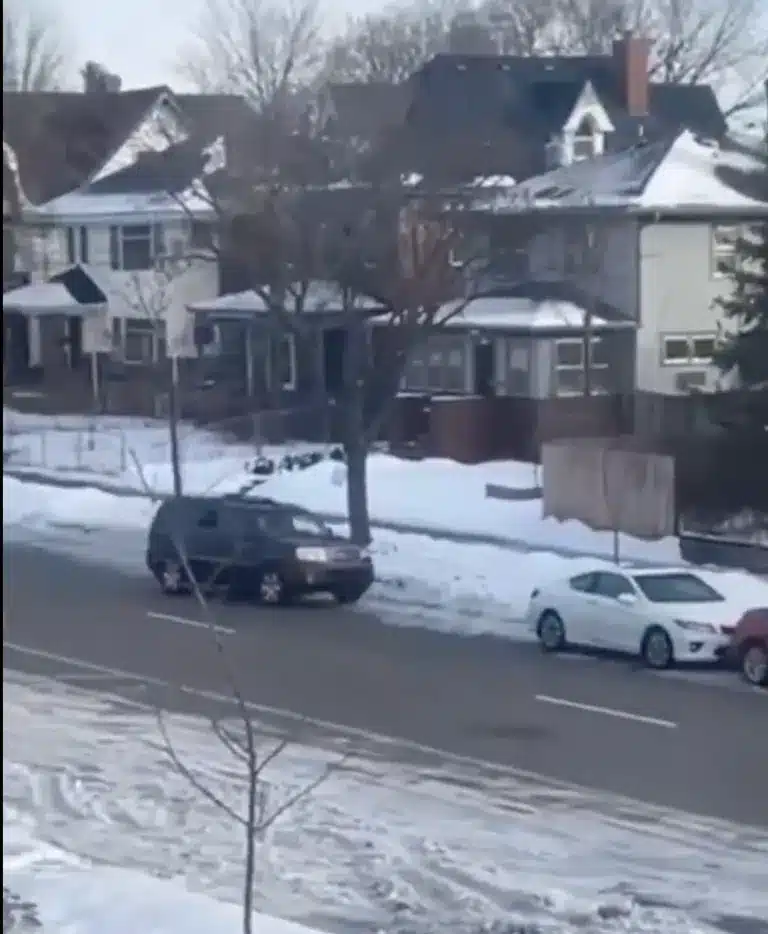
Residents had already noticed heavy federal activity near the elementary school and along nearby streets. Multiple SUVs were parked across the roadway, drawing attention and concern. Some neighbors began filming, others shouted at officers to leave the area.
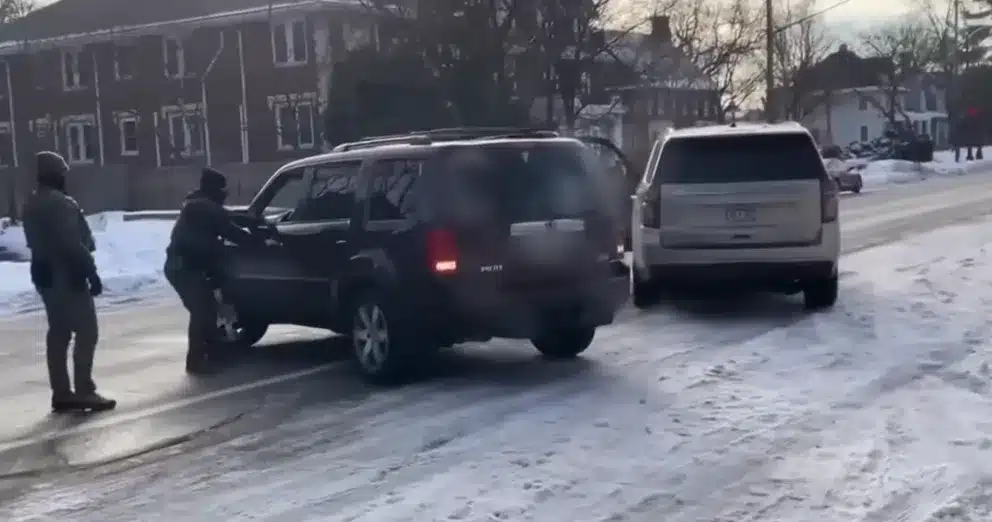
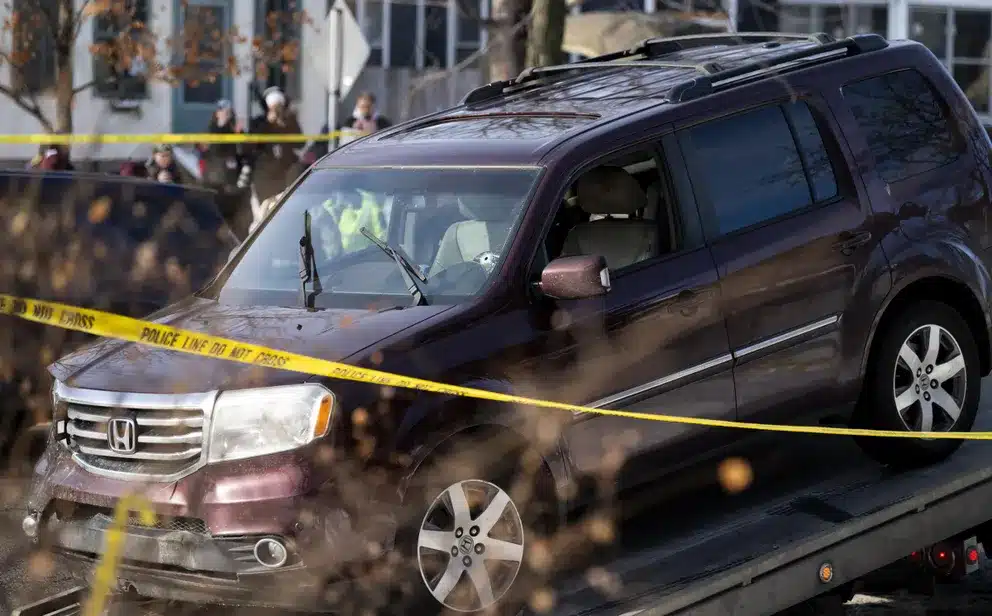
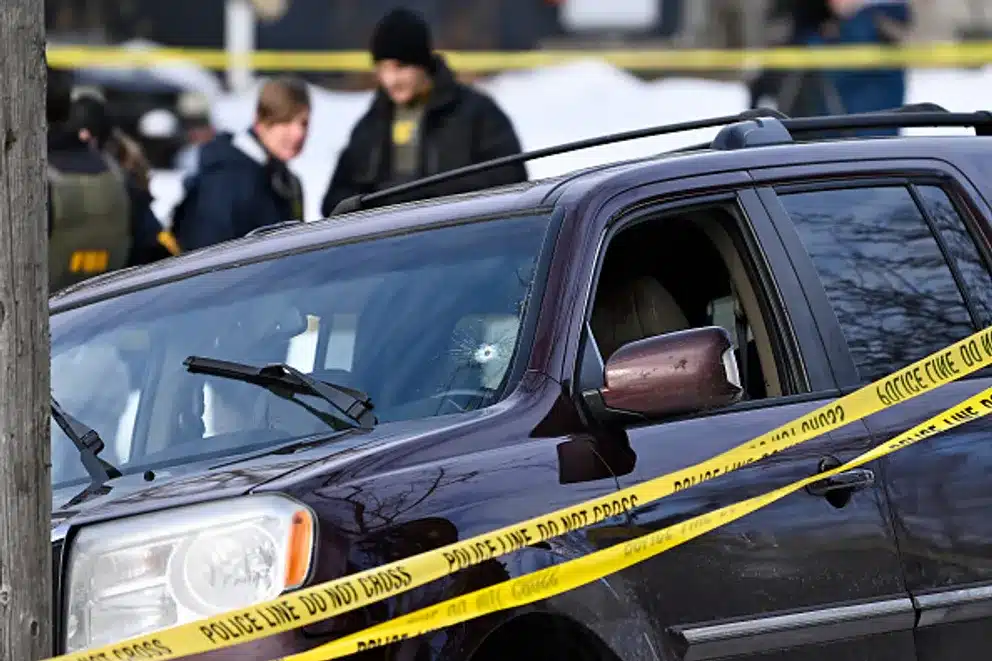
Video footage shows Good inside a dark SUV as an agent approached her driver’s side door and grabbed the handle. She reversed suddenly, then moved forward. An officer appeared in front of the vehicle. Moments later, gunshots rang out as an agent fired through the windshield. The SUV continued down the block before crashing.

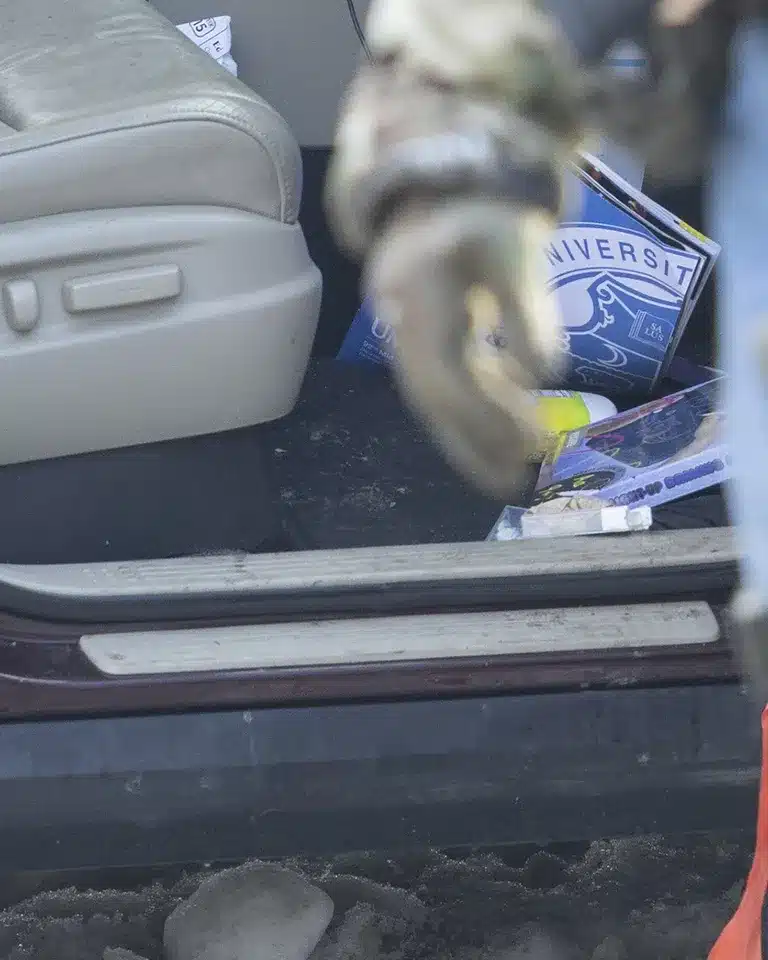
In the immediate aftermath, chaos filled the street. A woman, later identified as Good’s partner, could be heard crying near the wreckage, shouting that her wife had been shot and that their child was still at school.
Eyewitnesses described the sequence of events as unfolding in seconds. One neighbor told NBC News that she heard three gunshots followed almost immediately by the sound of the crash. She said she did not hear anything from inside the vehicle before the shooting, only residents yelling at officers from the sidewalk.
Federal officials, however, offered a starkly different account. At a press conference, Homeland Security Secretary Kristi Noem defended the agent’s actions, claiming Good had been stalking and impeding officers and had used her vehicle as a weapon. The department went so far as to characterize the incident as an act of domestic terrorism.



Former President Donald Trump echoed that defense online, asserting that the officer acted in self-defense and criticizing those who questioned law enforcement. Local officials in Minneapolis strongly disputed those claims, calling the federal response misleading and inflammatory. City leaders described Good as a resident who was trying to protect her neighborhood, not threaten it.
Her family has flatly rejected allegations that she was involved in any organized protest. Her mother said the idea was “absurd” and heartbreaking, describing her daughter as compassionate, gentle, and deeply devoted to her children. “She took care of people her whole life,” Ganger said. “She was loving, forgiving, and affectionate.”
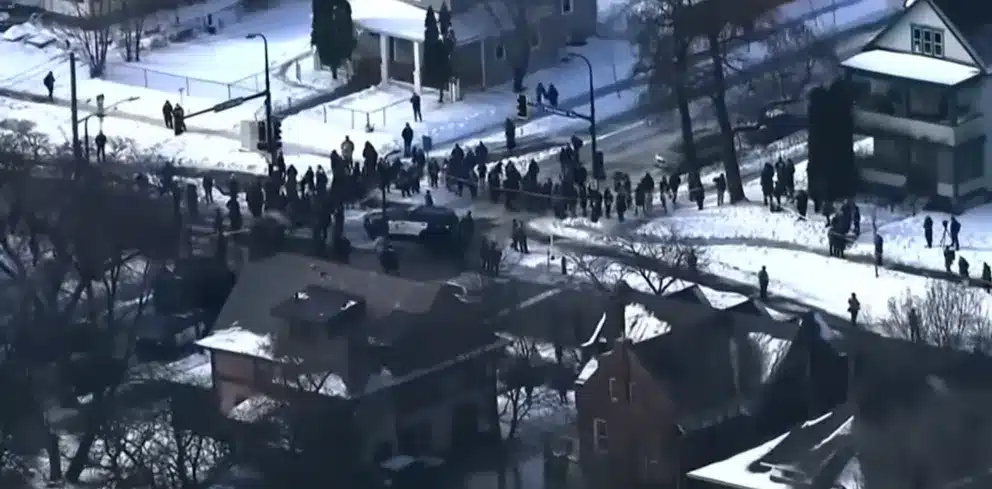
In the days following the shooting, neighbors gathered for vigils, lighting candles and sharing memories. Community leaders, including representatives from CAIR-MN, spoke about Good’s character and the fear her death has instilled in ordinary residents. People walked the block together in silence, chanting her name into the cold night air.
Those who lived nearby recalled seeing her often—walking with her children, stopping to talk, offering help when needed. They spoke less about the politics surrounding her death and more about the absence left behind, especially for her youngest son.
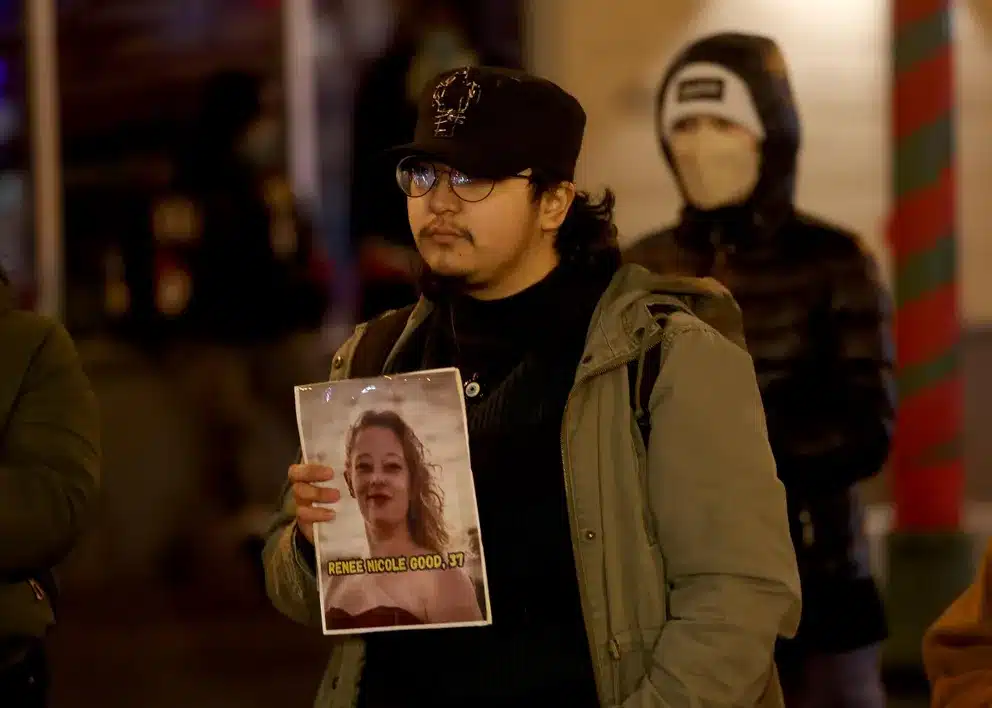
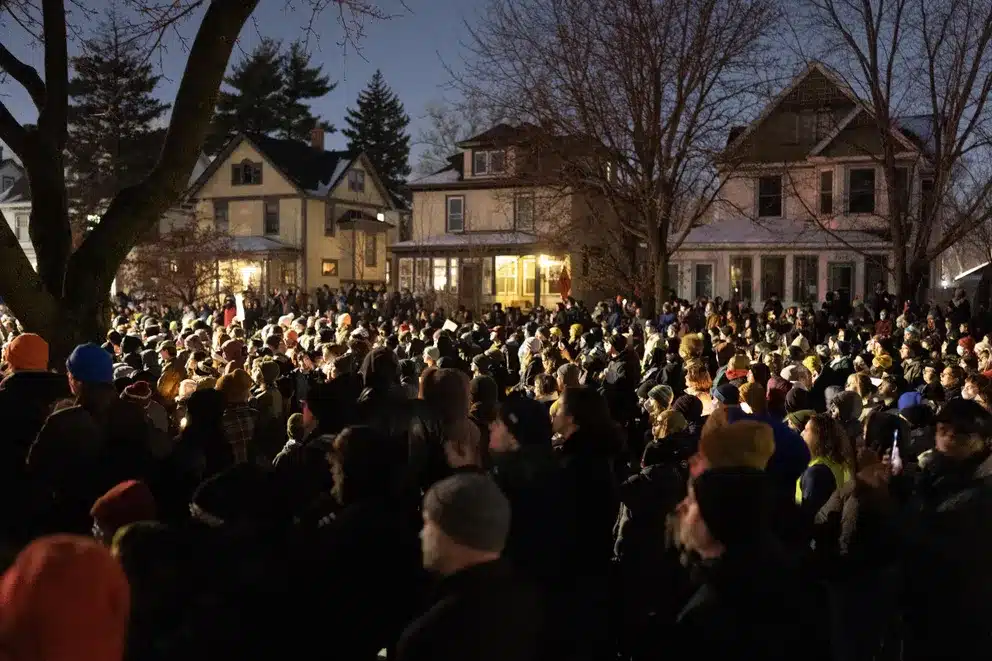
Renee Nicole Good’s death has left a family shattered, a neighborhood shaken, and a nation divided over what justice and accountability should look like. Amid the arguments and official statements, those who knew her continue to return to the same truth: she was a mother who had just finished a school drop-off, a writer who loved words, and a neighbor who cared deeply for the people around her.



0 Comments