
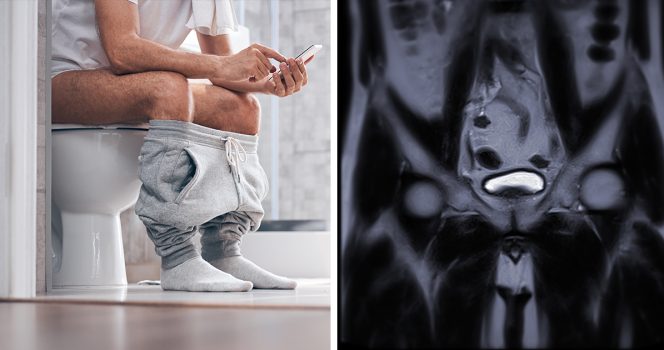
Doctors are raising the alarm over subtle bathroom changes that could point to prostate cancer, one of the most common cancers in men. With cases climbing and early symptoms often overlooked, knowing what to watch for could make a life-saving difference.
Prostate cancer is already a major health concern worldwide. According to the American Cancer Society, about 1 in 8 men will be diagnosed with prostate cancer during their lifetime, and an estimated 36,320 men are expected to die from the disease in 2026.
It is the most common cancer in men in the United States and remains the second-leading cause of cancer death among American men, behind only lung cancer.
Across the Atlantic, the situation is just as concerning. In the UK, prostate cancer has recently become the most common cancer diagnosis among men. The latest figures show diagnoses jumping from just under 52,000 in 2021 to more than 64,000 in 2022, according to Prostate Cancer UK.
With numbers increasing, health experts say understanding the early warning signs is more important than ever.
‘Develops slowly’
The challenge with prostate cancer is that it often develops quietly. In many cases, men may not notice any symptoms for years. When warning signs do appear, however, they frequently involve changes in bathroom habits – something people may not immediately associate with cancer.
The National Health Service (NHS) recently highlighted this in a public health message shared online, reminding men that early symptoms can be easy to overlook.
“Prostate cancer often develops slowly, so there may be no symptoms for many years, but it’s important to know what to look out for,” The NHS shared in a tweet.
“But if something doesn’t feel right, don’t wait – contact your GP practice. Early diagnosis can save lives.”
Red flags
With that in mind, doctors say there are three bathroom-related “red flags” men should keep on their radar.
According to the NHS, the following symptoms should not be ignored:
- An increased need to pee
- Straining or difficulty when trying to pee
- Feeling like the bladder has not fully emptied
On their own, these symptoms might not seem alarming. Many men assume they are simply part of getting older or the result of drinking more fluids.
But when these issues persist, experts say they should always be checked by a doctor. While they may be caused by less serious conditions – such as an enlarged prostate – they can also be an early sign of prostate cancer.
Advanced symtpoms
As the disease progresses, prostate cancer may have more noticeable effects with additional symptoms, explained the Mayo Clinic.
More advanced symptoms include:
- Erectile dysfunction
- Blood in urine or semen
- Lower back pain
- Unexplained weight loss
These symptoms may indicate the cancer has grown or spread and should be evaluated by a healthcare professional as soon as possible.
Who is most at risk?
Although any man can develop prostate cancer, the risk increases with age. Most diagnoses occur in men aged 50 and older, or for men “from a Black African or Caribbean background,” NHS reports.
Because of these risk factors, doctors often encourage men to discuss prostate health with their physician as they get older, particularly if there is a family history involved.
Why early detection matters
One of the most important things to remember about prostate cancer is that it can often be treated successfully if it is detected early.
By the time noticeable urinary changes develop, the cancer may already have grown larger.
In many cases, those small signs may be the body’s first attempt to signal that something isn’t quite right.
Something as ordinary as a change in bathroom habits may seem insignificant at first. Yet recognizing those subtle shifts – and taking them seriously – could ultimately save lives.
If you think more people should know these warning signs, please share this article so it reaches others who may need to see it.



0 Comments