

Civil rights leader Jesse Jackson has died at the age of 84, his family confirmed Tuesday, prompting an outpouring of tributes from across the political spectrum. Among those honoring him was Donald Trump, whose statement praised Jackson while also including a controversial assertion about former President Barack Obama.
Jackson, a longtime activist, Baptist minister, and two-time presidential candidate, passed away peacefully, surrounded by loved ones, according to a family statement. An official cause of death was not immediately released.
“Our father was a servant leader — not only to our family, but to the oppressed, the voiceless, and the overlooked around the world,” the Jackson family said. “We shared him with the world, and in return, the world became part of our extended family. His unwavering belief in justice, equality, and love uplifted millions, and we ask you to honor his memory by continuing the fight for the values he lived by.”
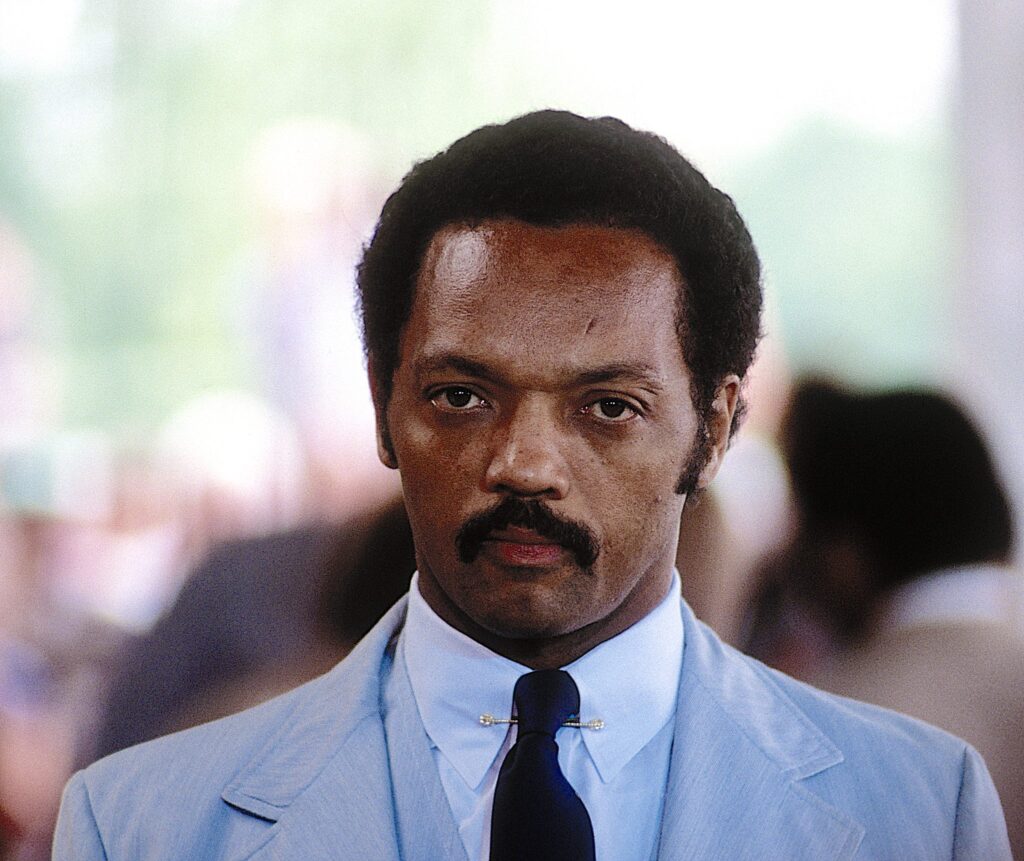
Over the past decade, Jackson had been living with progressive supranuclear palsy (PSP), a rare and serious neurological condition, according to the Rainbow PUSH Coalition, the civil rights group he founded. The illness can severely affect movement, balance, swallowing, and overall health. In 2017, Jackson publicly disclosed that he had been diagnosed with Parkinson’s disease. Prior to that announcement, he had undergone treatment for approximately two years at Northwestern Medicine in Chicago.
Public memorial services are expected to be held in Chicago, with further details to be announced by the Rainbow PUSH Coalition in the coming days.
Born on October 8, 1941, in Greenville, South Carolina, Jackson rose to prominence during the civil rights movement of the 1960s. He worked closely with Martin Luther King Jr., participating in marches and protests aimed at dismantling segregation and advancing racial equality. Over the course of his decades-long career, Jackson became a prominent voice for economic justice, voting rights, and educational access.
He also sought the Democratic presidential nomination in 1984 and again in 1988, making history as one of the first Black candidates to mount a serious campaign for the White House. His campaigns helped broaden political participation and brought issues affecting marginalized communities to the forefront of national debate.

Following news of his passing, tributes quickly emerged from political leaders, activists, and public figures. On his social media platform Truth Social, President Donald Trump shared his own reflections on Jackson.
“The Reverend Jesse Jackson is Dead at 84. I knew him well, long before becoming President. He was a good man, with lots of personality, grit, and ‘street smarts.’ He was very gregarious – Someone who truly loved people!” Trump wrote.
In the same post, Trump defended himself against critics and detailed what he described as years of support for Jackson and his initiatives. He stated that he had provided office space for Jackson’s organization in the Trump Building at 40 Wall Street and assisted with various policy efforts, including criminal justice reform, funding for Historically Black Colleges and Universities (HBCUs), and support for Opportunity Zones.
Trump concluded his statement with a claim that has since drawn attention.
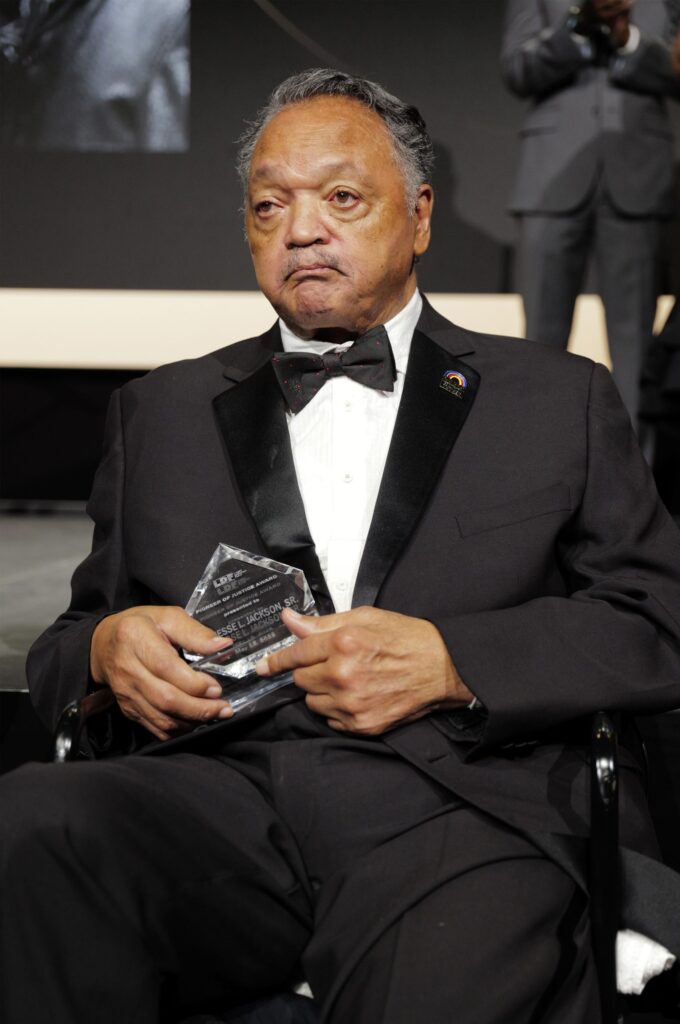
“Jesse was a force of nature like few others before him. He had much to do with the Election, without acknowledgment or credit, of Barack Hussein Obama, a man who Jesse could not stand,” Trump wrote, adding condolences to Jackson’s family.
As of now, neither Barack Obama nor members of Jackson’s family have publicly responded to Trump’s remarks regarding their relationship.
Jackson’s legacy remains deeply tied to the broader struggle for civil rights in America. Admirers credit him with helping expand political opportunity and giving voice to communities that felt unheard. Critics, at times, challenged aspects of his rhetoric or political strategy. Still, even among ideological opponents, recognition of his influence has been widespread.
With memorial events forthcoming, supporters say the focus now turns to honoring a life defined by activism, public service, and an enduring call for justice.



0 Comments